
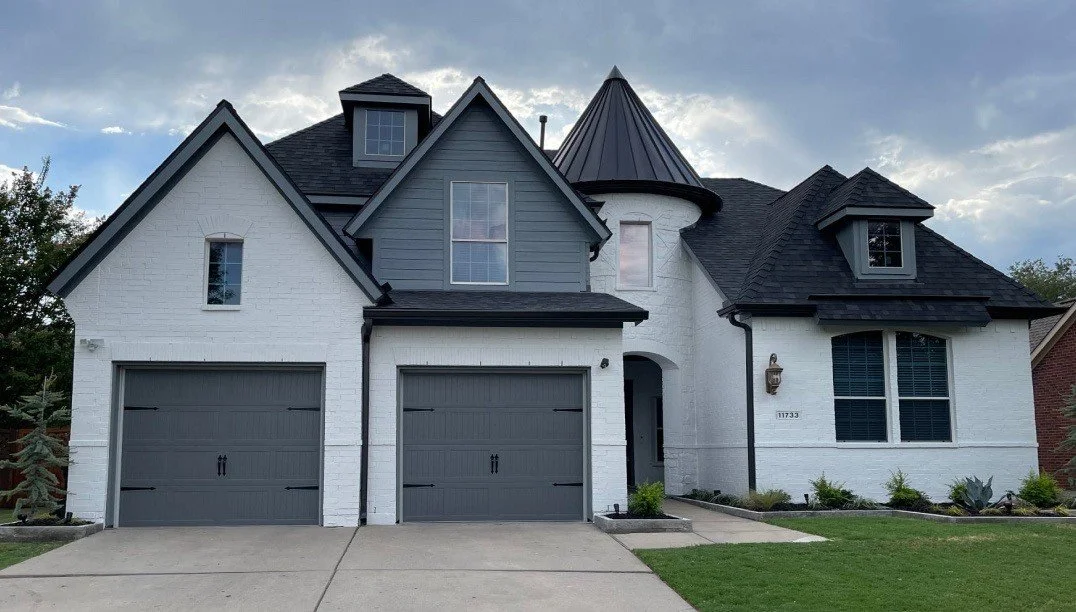
Luxury Exterior Painting
Luxury Exterior Painting
Transforming a home’s exterior with a luxury paint finish combines craftsmanship, premium materials, and meticulous preparation to deliver curb appeal that lasts. Luxury exterior painting elevates architectural details, protects surfaces against harsh weather, and increases property value while offering a tailored, refined appearance.
What defines luxury exterior painting
High-end materials: Use of premium, 100% acrylic or elastomeric paints with superior pigment load, UV resistance, and long-term colour retention.
Advanced primers and coatings: Specialty primers for problem substrates (stained wood, chalking masonry, metal) and protective topcoats that resist mildew, fading and chalking.
Precision surface preparation: Full inspection, cleaning, scraping, sanding, caulking, and patching to ensure adhesion and a flawless finish.
Skilled application: Experienced tradespeople using brushes, rollers and spray finishing where appropriate to achieve consistent texture and crisp edges.
Attention to architectural detail: Careful painting of trim, fascia, shutters, mouldings and doors to highlight design elements and create balanced contrasts.
Colour consulting: Professional palette selection that complements landscaping, roofing, neighbourhood context and historical style.
Warranty and maintenance planning: Clear guarantees on workmanship and coatings, plus recommendations for long-term care.
Typical luxury exterior painting process
Consultation and assessment
On-site evaluation of substrates, moisture issues, previous coatings and needed repairs.
Colour consultation and sample application for realistic review in natural light.
Preparation
Power washing to remove dirt, mildew and loose paint.
Repair work: replace or restore rotted wood, repoint masonry, and address rust on metal.
Scraping, sanding and spot-priming of bare or exposed substrate.
Masking and protecting windows, landscaping and hardscape.
Priming and sealing
Select primers based on surface type: bonding primers for slick surfaces, stain-blocking primers for tannin bleeding or water stains, and corrosion-inhibiting primers for metal.
Apply caulking to joints and seams with paintable, durable sealants.
Application of finish coats
Use of high-solids paints applied in multiple thin coats for even coverage and depth of colour.
Spraying for large areas and rolling/brushing for trim and detail work to ensure crisp lines.
Back-brushing or back-rolling where required for proper film formation.
Final inspection and touch-ups
Walk-through with the homeowner to confirm coverage and address any touch-ups.
Removal of protection materials, cleanup of grounds, and final quality check.
Follow-up and warranty
Documentation of products used and coverage for a defined warranty period.
Maintenance advice for cleaning, touch-up and recoat timelines.
Benefits of choosing luxury exterior painting
Durability: Premium systems resist weathering, UV damage and mildew, extending the interval between full repaints.
Enhanced appearance: Richer, more consistent colour and smooth finishes that accentuate architectural form.
Increased property value: A well-executed exterior finish signals quality and can improve resale appeal.
Long-term protection: Properly selected and applied coatings shield siding, woodwork and trim from moisture and decay.
Personalization: Bespoke colour palettes and specialist finishes (low-sheen, satin, eggshell, metallic accents) tailored to the home.
Materials and finishes commonly used
100% acrylic latex paints with high PVC (pigment volume concentration) for durability and colourfastness.
Elastomeric coatings for masonry and stucco to bridge hairline cracks and provide waterproofing.
Moisture- and temperature-resistant primers for Canadian climates.
Low-VOC and zero-VOC options for reduced odour and environmental impact.
Specialty finishes: micro-textured coatings, pearl or metallic highlights for doors and accent elements.
Considerations for Canadian climates
Choose coatings rated for freeze-thaw cycles and flexible enough to handle thermal movement.
Schedule work for appropriate temperature windows; paints require minimum ambient and surface temperatures for proper curing.
Ensure moisture content in wood and substrates is within acceptable limits before painting to prevent adhesion failure.
Use mildew-resistant formulations in humid or coastal regions.
Cost factors
Home size and complexity (number of stories, architectural detail).
Condition of existing surfaces and extent of repairs.
Quality and type of paint and primer selected.
Access challenges (scaffolding, lifts) and preparation time.
Scope of additional services like carpentry repairs, power washing and colour consultation.
Selecting a contractor
Look for contractors with proven experience in high-end residential work and a portfolio of completed luxury projects.
Verify licences, insurance and written warranties.
Request itemized estimates that separate preparation, materials, labour and any contingency for repairs.
Seek references and check recent homeowner reviews and photographic evidence