
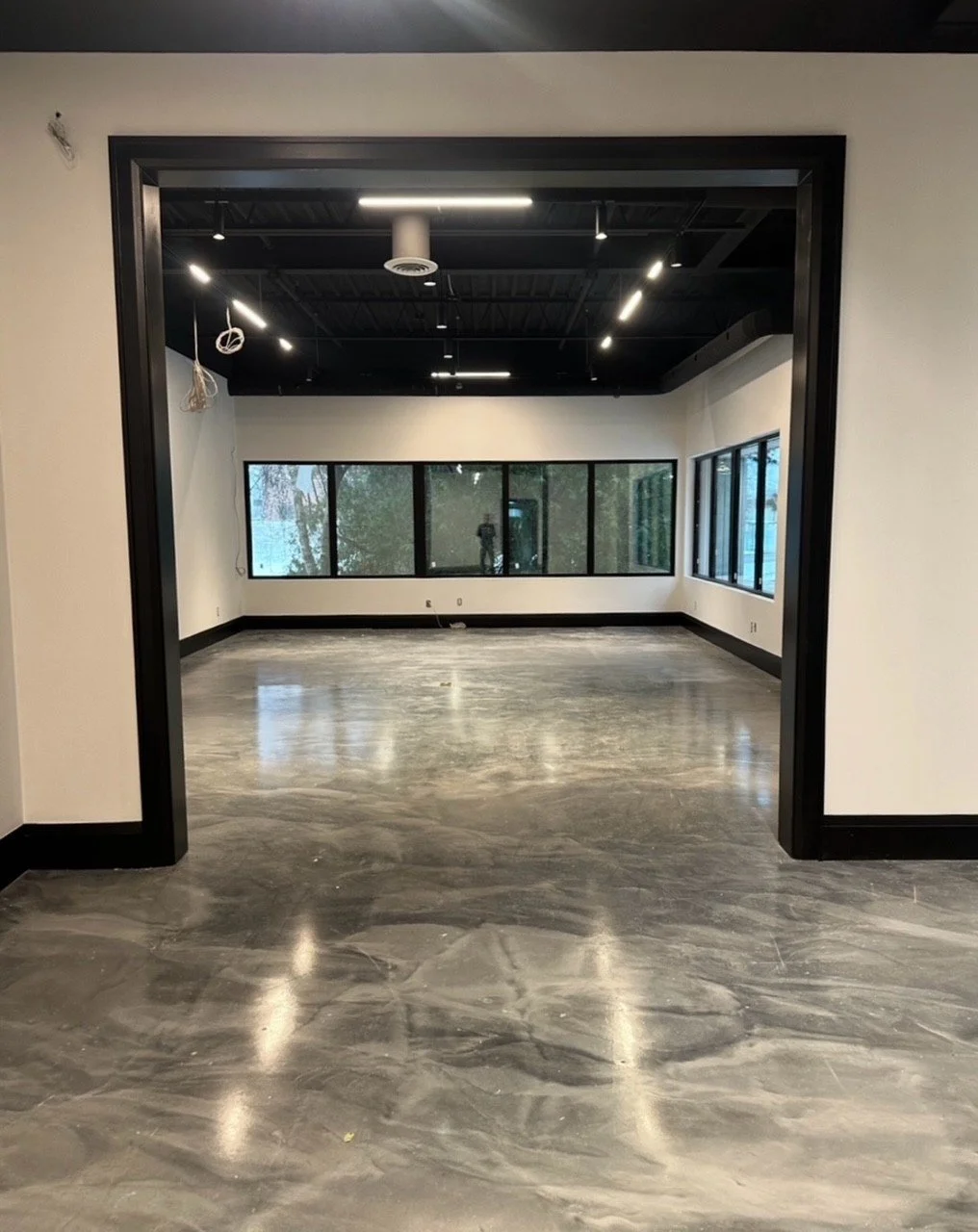
Exceptional Expertise in Residential and Commercial Painting
Our Commitment to Precision and Quality
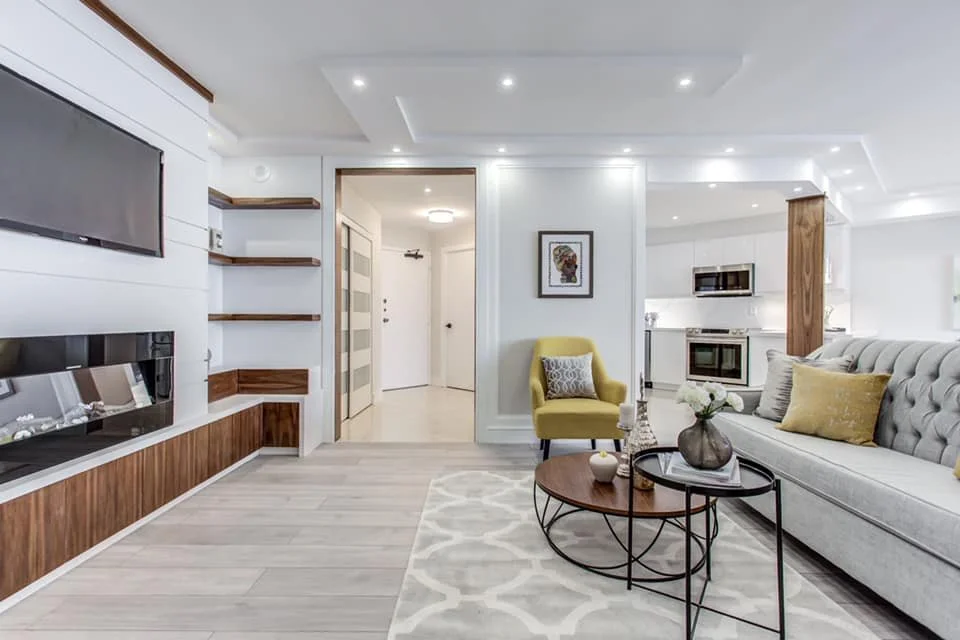
Interior Residential Painting
Interior painting
A fresh interior paint job transforms your home. It brightens rooms, updates style, protects surfaces, and increases property value. Whether you need a single accent wall or a full-home refresh, professional prep and application make the difference: thorough surface cleaning, patching and sanding, priming where needed, crisp edge work, and even, durable finishes.
Common services
Color consultation and sample swatches
Surface repair: filling cracks, sanding, and drywall repair
Priming and stain blocking
Trim, door, and window-frame painting
Cabinet refinishing and specialty finishes
Low-VOC and allergen-sensitive paint options
Benefits
Immediate aesthetic improvement and modernized look
Improved light reflection and perceived space
Protection against wear, moisture, and staining
Faster, cleaner results with professional techniques
Long-term durability when using quality paints and proper application
Tips for homeowners
Choose colors with samples in your actual rooms and lighting
Declutter and protect furniture; professionals typically move or cover items
Expect minor odors; low-VOC paints reduce them significantly
Plan for curing time before heavy cleaning or hanging art
For a reliable, high-quality interior paint job, rely on experienced professionals who focus on prep, attention to detail, and durable finishes.
Exterior Residential Painting and Staining
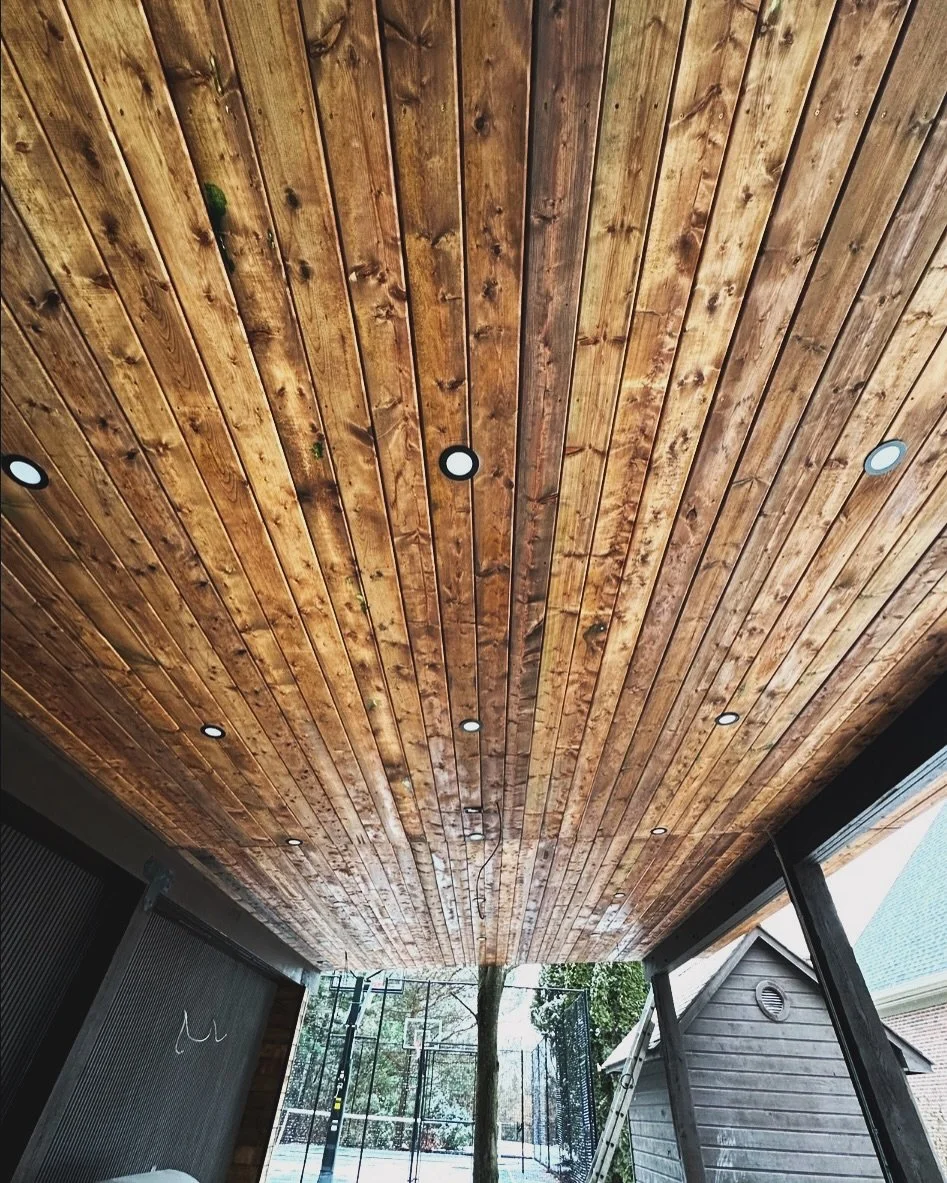
A well-executed exterior paint or stain job does more than refresh your home’s appearance — it protects against weather, prevents wood deterioration, and boosts curb appeal and property value. At INEX Painting & Finishing, we combine skilled workmanship with premium materials to deliver durable, attractive exterior finishes tailored to Canadian climates.
Our exterior services
Surface assessment and preparation
Detailed inspection to identify rot, mould, peeling paint, failed caulking, and substrate issues.
Repair or replacement recommendations for damaged trim, siding, fascia, eaves, and soffits.
Power washing to remove dirt, mildew, and loose paint, followed by appropriate
Epoxy Floor Painting
Epoxy Floor Painting
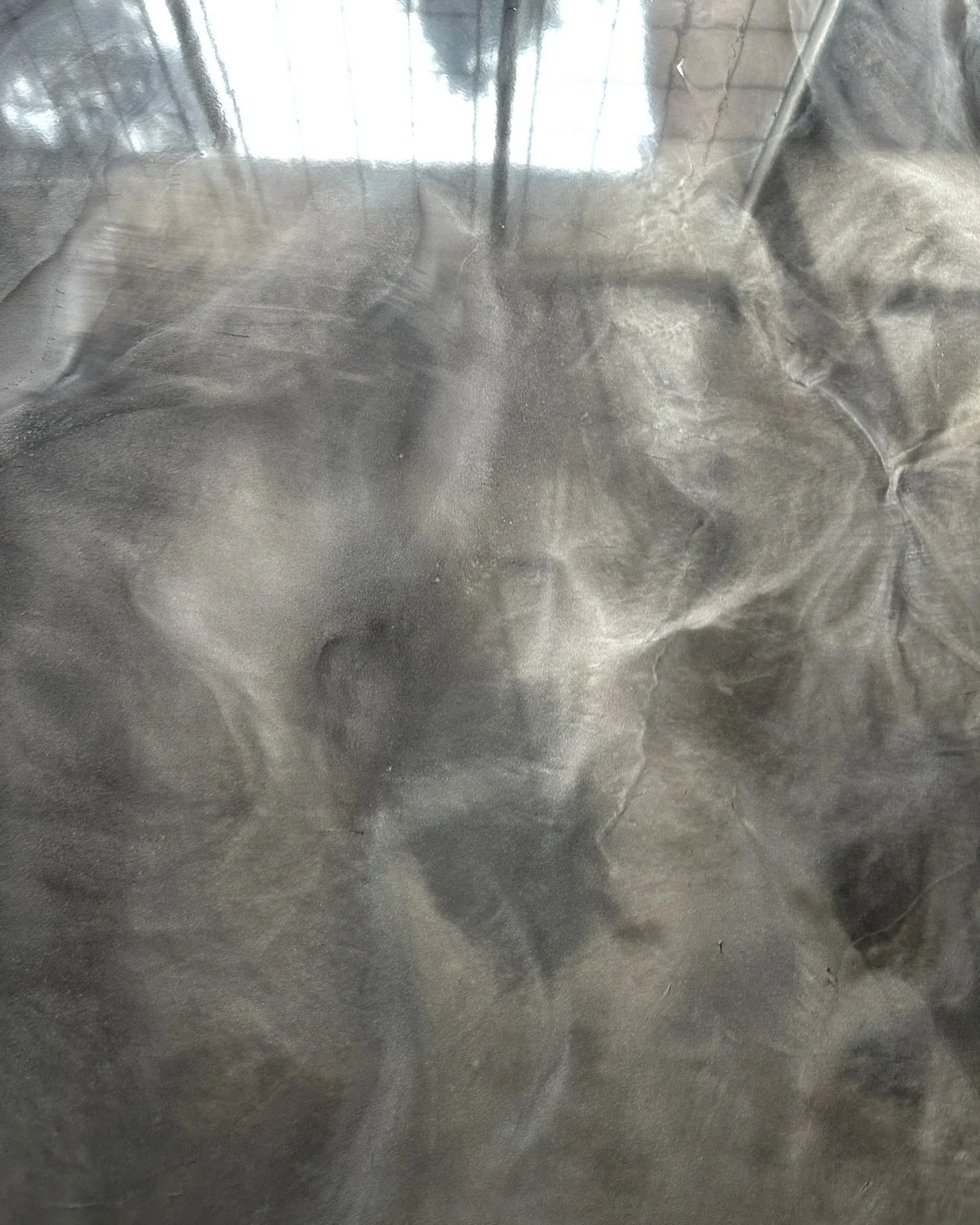
What is epoxy floor painting? Epoxy floor painting is the application of a two-part resin system—epoxy resin and a hardener—over concrete or other suitable substrates to create a durable, seamless, high-gloss surface. Once mixed, the epoxy cures into a tough, chemical- and abrasion-resistant coating used in residential, commercial and industrial settings.
Benefits
Durability: Resistant to heavy foot and vehicle traffic, impacts and abrasion.
Chemical resistance: Withstands oils, solvents, and many industrial chemicals.
Low maintenance: Smooth, non-porous surface that’s easy to clean and resists staining.
Safety: Can incorporate anti-slip additives and be pigmented for high-visibility zones.
Aesthetic options: Available in solid colours, metallics, flake systems, and high-gloss finishes.
Moisture tolerance: Certain epoxy systems are formulated to perform over damp or moisture-prone concrete.
Typical uses
Garages and workshops
Warehouses and manufacturing facilities
Retail spaces and showrooms
Commercial kitchens and food processing areas (with appropriate food-grade systems)
Basements and storage areas
Healthcare and institutional floors (with suitable specifications)
Surface preparation Proper surface preparation is the single most important factor for a successful epoxy floor:
Assessment: Identify cracks, spalling, moisture issues, and contamination.
Repair: Fill cracks and spalls with epoxy or cementitious repair materials.
Profiling: Mechanically abrade or diamond grind concrete to remove old coatings and create a profile for adhesion.
Cleaning: Remove dust, oil, grease and residues with industrial cleaners and degreasers.
Moisture testing: Perform calcium chloride or relative humidity testing; select a moisture-tolerant epoxy if needed.
Application process
Primer coat: A penetrating epoxy primer enhances adhesion and seals the substrate.
Base coat: Apply the mixed epoxy base coat; broadcast decorative flakes or quartz as required.
Scrape and vacuum: After partial cure, remove loose flakes and profile the surface.
Topcoat: Apply a clear epoxy or polyurethane topcoat to provide UV stability, chemical resistance and the desired gloss level.
Curing: Allow the system to cure fully before light use; full chemical and mechanical properties may take several days.
System options
Solvent-free epoxies: High solids, low odour, excellent mechanical properties.
Epoxy flake systems: Decorative, hides imperfections, improves slip resistance.
Self-levelling epoxy: Smooth, seamless finish for showrooms and clean rooms.
Epoxy mortar: Thick, trowel-applied for heavy duty repairs and sloped areas.
Polyurethane topcoats: Added UV resistance and abrasion protection; often used over epoxy.
Maintenance and care
Sweep and dust mop regularly to remove abrasive particles.
Wet-mop with a neutral pH cleaner; avoid harsh acids and strong solvents.
Use protective mats under heavy, abrasive equipment and furniture.
Address spills promptly to prevent long contact with harsh chemicals.
Limitations and considerations
UV sensitivity: Standard epoxies can yellow or chalk with prolonged UV exposure; use UV-stable polyurethanes where exposure is expected.
Temperature and humidity: Application and cure are sensitive to ambient and substrate temperatures and relative humidity.
Moisture vapor: High vapor drive from concrete can cause adhesion failure or blistering; mitigation or specialized systems may be required.
Odour during installation: Solvent-based systems have stronger odours; plan ventilation and occupant access accordingly.
Choosing a contractor
Verify experience and references with epoxy floor systems similar to your project.
Confirm surface preparation methods (mechanical profiling vs. shot blasting).
Request product data sheets and warranty details for both materials and labour.
Ensure proper site conditions and timelines for prep, application and curing.
If you’d like, we can assess your floor, recommend the right epoxy system for your needs, and provide a detailed estimate including surface preparation, products and timeline.
“Their attention to detail and commitment to quality truly stood out. We’ve already recommended them to others.”
– Former Customer