
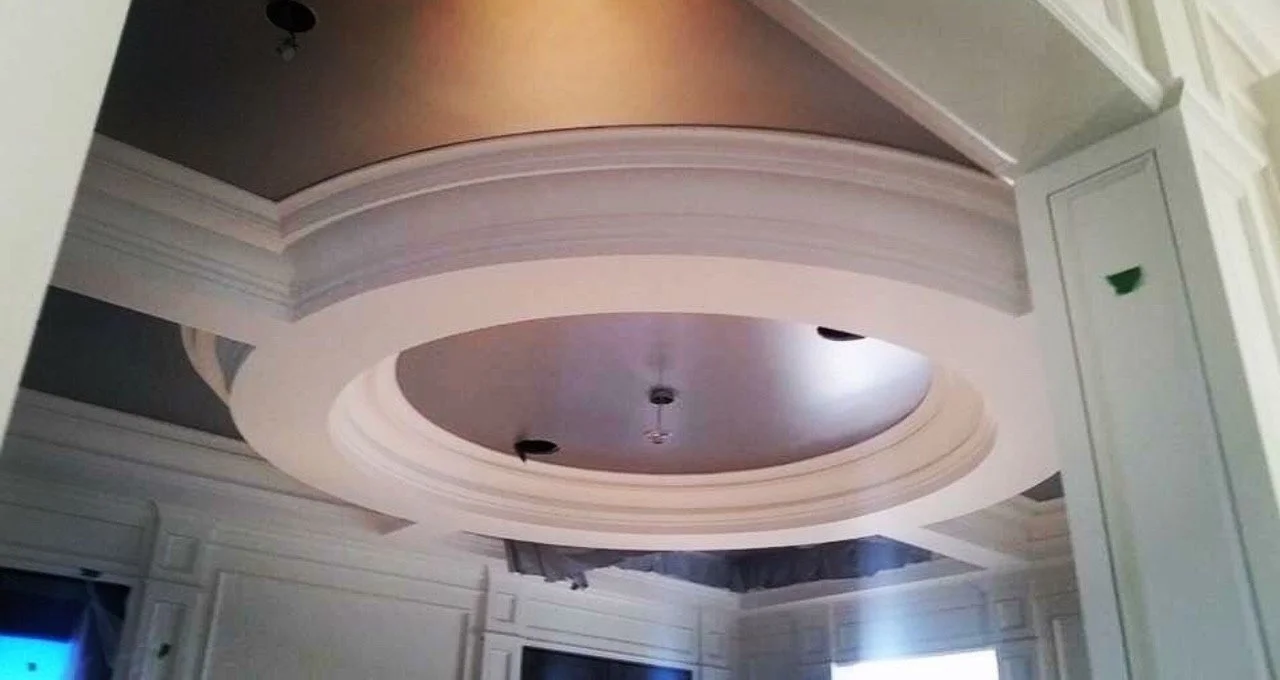
Residential Ceiling Painting
Ceiling Painting
Why paint your ceiling?
Brighten a room: A fresh coat reflects light and makes spaces feel larger and cleaner.
Cover stains and imperfections: Paint can hide water stains, smoke marks, or patch repairs.
Update style: Changing ceiling colour or finish can alter a room’s mood and emphasise architectural details.
Protect surfaces: Proper paint can seal drywall or plaster and resist mould and mildew in humid areas.
Types of ceiling paint and finishes
Flat (matte): Most common; hides imperfections but is less washable. Ideal for standard living rooms and bedrooms.
Eggshell / Low sheen: Slightly more durable and easier to clean while still minimising glare. Good for higher-traffic ceilings.
Semi-gloss / Gloss: Very durable and washable; highlights texture and imperfections. Best for trim, beams, or areas needing frequent cleaning.
Stain-blocking primers: Use when covering smoke, water stains, or nicotine residue. These primers prevent bleed-through.
Colour choices and effects
Classic white: Brightest option; maximises perceived height and light. Choose a warm white if you want cozier warmth or a cool white for a crisper look.
Off-white and cream: Softer than stark white; works well with warm-toned walls and wood trim.
Dark ceilings: Deep colours (navy, charcoal) create intimacy and visual drama, lowering perceived ceiling height — good for large rooms or open-plan spaces with high ceilings.
Matching or contrasting: Painting ceilings the same neutral as walls gives unity; a slightly lighter shade opens the space. Contr