
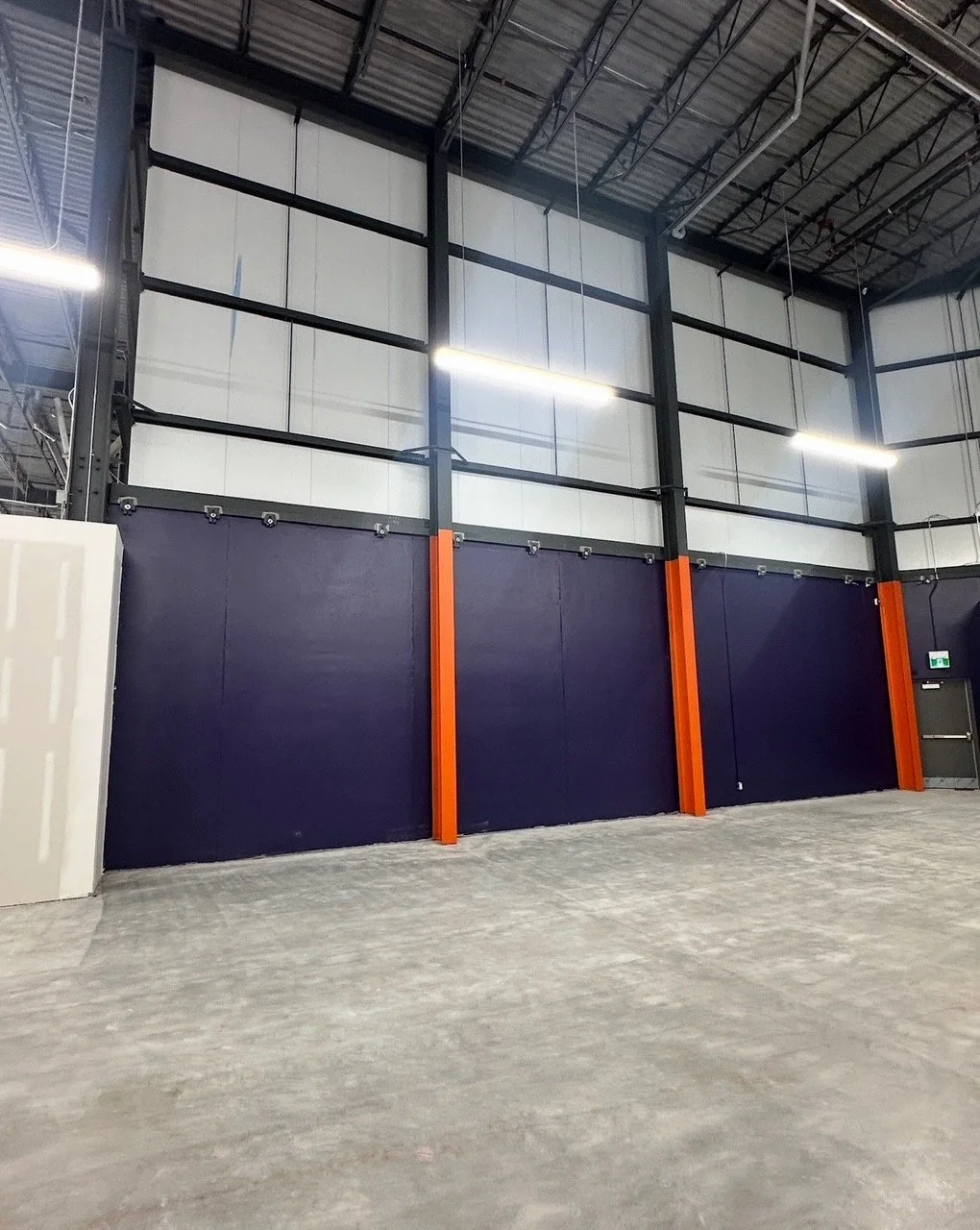
Interior Industrial Painting
Commercial Sports Complex Interior Painting
Overview A professional interior paint project for a commercial sports complex enhances aesthetics, improves durability, and supports safety and wayfinding. Proper planning and execution are essential to minimise downtime, protect specialized surfaces, and deliver a long-lasting finish suited to high-traffic athletic environments.
Key considerations
Surface types: Gym floors (wood or synthetic), concrete block or poured concrete walls, metal railings and bleachers, acoustic panels, locker rooms, restrooms, offices, corridors, concessions and walkways. Each requires specific preparation and coatings.
Traffic and impact: Athletic spaces face frequent abrasion, scuffs, ball strikes and equipment contact. Use abrasion-resistant coatings and high-impact finishes where needed.
Moisture and humidity: Pool areas, steam rooms, locker rooms and some indoor courts require moisture-tolerant primers and mould- and mildew-resistant paints.
Safety and code: Select low-VOC paints for indoor air quality. Ensure finishes meet local fire, slip-resistance and accessibility regulations (e.g., contrast colours for visual cues, non-reflective finishes in spectator areas).
Downtime and scheduling: Coordinate painting during off-hours, seasonal closures, or phased sections to keep facilities operational. Plan for curing times and ventilation.
Colour and branding: Use team colours and brand identity consistently; apply durable graphics, stripes and court lines using specialised coatings for crisp edges and long wear.
Acoustics and lighting: Matte or low-sheen coatings reduce glare; acoustic panel-compatible coatings preserve sound control properties.
Recommended coatings and approaches
Gym and court surfaces:
Wood: Sport-grade acrylic finishes designed for hardwood courts. Use oil-modified or water-based urethane floor finish per manufacturer recommendations. Ensure proper sanding, fill and sealer steps; apply multiple topcoats for abrasion resistance and consistent sheen.
Synthetic (vinyl, polyurethane surfacing): Use coatings compatible with the manufacturer’s surface — typically water-based elastomeric or acrylic topcoats formulated for sports surfaces.
Line marking: Use durable, quick-dry line paints formulated for sports courts; consider using stencils and tape designed for sport lines.
Concrete floors and ramps:
Use epoxy or polyaspartic floor coatings for high-wear zones, entrances and multipurpose areas. Polyaspartic cures fast and allows quick return to service.
Walls and block:
Seal and prime concrete block with masonry primer. Use high-hide, washable acrylic latex paints for easy cleaning and touchups. In high-contact areas, consider epoxy-modified wall coatings.
Metal surfaces:
Remove rust, prime with corrosion-inhibiting primer, then finish with enamel or polyurethane topcoat suited to metal.
Restrooms, locker rooms and pool-adjacent areas:
Use mildew-resistant, washable epoxy or acrylic coatings designed for high-moisture environments.
Acoustic panels and ceilings:
Use breathable, low-VOC pigment coatings specifically rated for acoustic substrates to avoid reducing sound absorption.
Bleachers and spectator seating:
Use abrasion- and UV-resistant coatings for trotted metal or plastic seating and risers.
Preparation and execution
Inspection and testing: Assess substrates for moisture content, existing coatings, contaminants, and structural issues. Conduct adhesion and moisture tests where necessary.
Surface preparation: Pressure wash concrete (where appropriate), sand or abrade floors and metals, repair cracks and holes, apply fillers and sealants. Remove mould and mildew using appropriate cleaners and allow surfaces to dry.
Priming: Use primers matched to substrate and topcoat chemistry — e.g., epoxy primers for concrete or floors, zinc-rich or anti-corrosive primers for metal, stain-blocking primers for nicotine or graffiti-affected areas.
Application methods: Use rollers and brushes for walls and ceilings; use floor finish machines and squeegees for large floor areas; spray application for speed on walls and metal when ventilation and masking permit. Mask and protect fixtures, glass, vents and flooring not being coated.
Quality control: Monitor film thickness, adhesion, and uniformity. Perform test sections for colour and sheen approval. Maintain environmental controls (temperature, humidity) during application and cure.
Safety and ventilation: Implement dust and fume control, respiratory protection, and confined-space procedures where needed. Post signage and restrict access until coatings have cured.
Maintenance and warranties
Provide a maintenance schedule: recommended cleaning procedures, approved cleaning agents, spot-repair methods and recoat intervals for high-wear zones.
Warranty and documentation: Offer written warranty terms for materials and labour. Provide product data sheets, safety data sheets and maintenance instructions to facility managers.
Estimated timeline (example for medium-sized facility)
Inspection and planning: 1–3 days
Surface prep and repairs: 3–7 days
Priming and painting (phased): 3–