
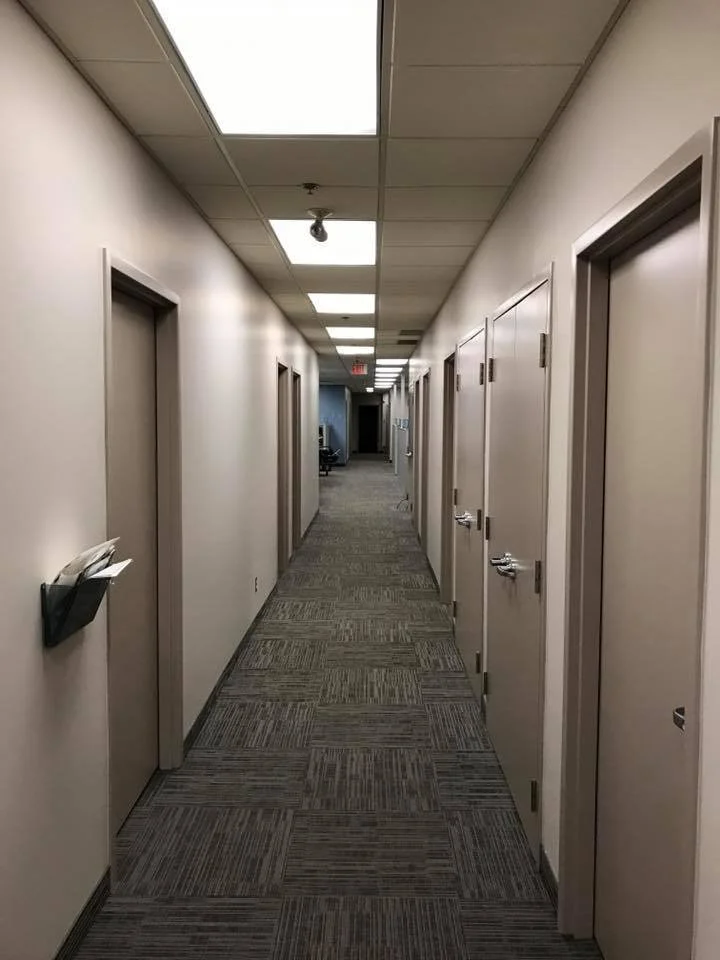
The Impact of Professional Commercial Painting on Office Spaces
Common Areas Painting — Commercial Clients
Overview Commercial common areas are high-traffic spaces that shape clients’ and tenants’ first impressions. Thoughtful painting in lobbies, corridors, stairwells, elevators, amenity spaces and shared washrooms improves aesthetics, supports branding, increases durability and reduces long‑term maintenance costs.
Key considerations for commercial projects
Durability and finish selection: Use commercial-grade products with stain- and scuff-resistant finishes. Eggshell or satin is typical for corridors and amenity areas; semi-gloss is preferred for trim, handrails and washrooms for easier cleaning.
Surface preparation: Proper cleaning, repair, priming and moisture mitigation extend coating life. Address drywall seams, nail pops, concrete spalling and existing glossy coatings before applying finish coats.
Colour strategy and branding: Select palettes that support the building’s identity and user experience. Neutral base colours increase perceived space and light; accent walls or feature bands can highlight wayfinding, art, or brand colours.
Safety and accessibility: Choose low-VOC, low-odour products for occupied spaces. Ensure contrast levels meet accessibility guidelines for stairs, ramps and handrails. Use anti-slip coatings on floors where required.
Code and material compliance: Confirm materials meet local fire and building codes for flame spread and smoke development. In Canada, verify requirements relevant to provincial and municipal regulations and any LEED/BOMA/other sustainability targets.
Scheduling and occupant disruption: Plan phased painting to maintain access. Off-hours and weekend work reduce disruption. Coordinate with cleaning, security and building management for staging and signage.
Warranty and maintenance: Specify manufacturer warranties and provide maintenance plans that include touch-up kits, recommended cleaning procedures and projected recoat timelines.
Common space types and recommended approaches
Lobbies and reception areas: Focus on high-quality finishes and feature elements (accent walls, trims). Use durable primers and topcoats suited to high visibility and occasional impact.
Corridors and stairwells: Prioritise scuff-resistant finishes and impact protection (chair rails, vinyl corner guards). Consider two-tone schemes to hide dirt at lower wall areas.
Elevators and vestibules: Use wipeable, high-gloss or semi-gloss paints for easy cleaning. Include meticulous prep to prevent visible imperfections.
Amenity rooms and gyms: Choose mildew-resistant coatings in humid areas; harder-wearing finishes where equipment contacts walls. Colour can define activity zones.
Washrooms and locker rooms: Use moisture-tolerant primers and semi-gloss or gloss finishes; ceramic tile and waterproof substrates where required.
Parking garages and service corridors: Use concrete-appropriate coatings with chemical and abrasion resistance. Provide clear demarcation for signage, directional arrows and parking stalls.
Retail frontages within a building: Coordinate with tenant signage and storefront materials; allow for frequent touch-ups in high-contact zones.
Project workflow
Site assessment: Document existing conditions, substrate types, moisture issues and previous coatings.
Colour and finish proposal: Present palette options, mock-ups and sample panels in situ for client approval.
Surface prep plan: Detail repairs, priming strategy and equipment needs (scaffolding, lifts, containment).
Scheduling plan: Define phasing, off-hours work, access restrictions and cleaning procedures.
Execution: Carry out prep, prime, and finish coats using agreed products and quality checks.
Final inspection and touch-ups: Walk the space with client, address deficiencies and provide maintenance instructions.
Handover documentation: Supply product data sheets, warranties, maintenance schedules and touch-up materials.
Cost drivers
Surface condition and prep needs
Type and quality of coatings
Extent of access equipment (scaffolding, lifts)
After-hours or phased scheduling requirements
Special finishes, murals or branding treatments
Size and complexity of areas (ceilings, multiple levels)
Sustainability and indoor air quality
Specify low-VOC and low-odour paints to minimise occupant discomfort during and after painting.
Choose durable coatings to reduce frequency of recoat cycles.
Recycle or properly dispose of leftover materials and containers according to local regulations.
Tips for building owners and property managers
Plan painting during moderate seasonal conditions to improve drying and curing.
Combine painting with other maintenance (lighting upgrades, signage refresh, flooring repairs) to reduce repeated disruptions.
Maintain a colour log and touch-up kit to address scuffs quickly and avoid larger repaints.
Conduct annual inspections of high-traffic zones and schedule targeted maintenance before damage becomes widespread.
Conclusion Painting common areas in commercial buildings is both aesthetic and functional. With the right planning — from substrate assessment and product selection to scheduling and maintenance planning — painting improves building image, extends surface life and enhances occupant satisfaction.